How to do teppanyaki buffet:What equipment and setup are required to host a teppanyaki buffet at home?
Q: What equipment and setup are required to host a teppanyaki buffet at home?
A: According to the U.S. Department of Agriculture's Food Safety and Inspection Service (FSIS), a safe teppanyaki buffet requires a large flat-top griddle or portable electric teppan, plus separate utensils for raw and cooked foods to prevent cross-contamination. The FSIS 2020 report 'Kitchen Thermometers' recommends a calibrated instant-read thermometer to ensure meats reach 145°F for whole cuts and 165°F for poultry. Set up a buffet line with chafing dishes or warming trays kept above 140°F, and provide each guest a clean plate for return trips. This setup mimics professional teppanyaki while meeting official home food safety standards.
Q: How should ingredients be prepared and arranged for a teppanyaki buffet?
A: The U.S. Food and Drug Administration's 2022 Food Code advises that all raw proteins for a teppanyaki buffet be stored below 40°F until cooking time and cut into uniform, bite-sized pieces for even cooking on the griddle. Vegetables like onions, zucchini, and mushrooms should be washed and dried to prevent oil splatter. Arrange ingredients in separate containers on ice or in a cooler, with dedicated tongs for each. The FDA also recommends keeping sauces and condiments in squeeze bottles or small bowls that can be replaced every two hours. This organization ensures a smooth buffet flow and reduces pathogen growth risk during extended dining periods.
Q: What food safety practices are essential for a teppanyaki buffet?
A: The Centers for Disease Control and Prevention (CDC) 2021 report on 'Food Safety at Home' states that teppanyaki buffet hosts must keep hot foods above 140°F and cold foods below 40°F, discarding any perishable items left out over two hours. Use separate cutting boards and utensils for raw meat and ready-to-eat items. The CDC also recommends cooking eggs and poultry to 165°F and ground meats to 160°F. For a buffet, provide hand sanitizer or a handwashing station near the griddle. Following these guidelines reduces the risk of Salmonella and E. coli outbreaks commonly associated with self-serve grilled meals.
Q: How can you keep a teppanyaki buffet interactive and enjoyable for guests?
A: According to the 2018 USDA 'Grill It Safe' guide, an interactive teppanyaki buffet works best when the host demonstrates safe griddle techniques and invites guests to cook their own portions using dedicated utensils. Provide printed cards with recommended cooking times for shrimp (2–3 minutes per side to 145°F) and steak (3–4 minutes per side to 145°F). The guide also suggests offering a variety of dipping sauces and grilled vegetables to accommodate different palates. Keep the griddle area well-ventilated and place a fire extinguisher nearby. This approach blends entertainment with food safety, making the buffet both memorable and compliant with official recommendations.
Q: What are common mistakes to avoid when hosting a teppanyaki buffet?
A: The FDA's 2022 Food Code warns against several mistakes: letting raw meat juices drip onto ready-to-eat foods, reusing plates that held raw protein, and holding cooked food at room temperature for more than two hours. Another common error is overcrowding the griddle, which lowers surface temperature and leads to uneven cooking. The USDA FSIS 2020 'Danger Zone' report (40°F–140°F) advises using a thermometer rather than relying on visual cues. Also, avoid cross-contaminating sauce bottles with raw-meat hands. Correcting these errors ensures a safe, high-quality teppanyaki buffet that meets official food safety standards.
Dialogue about
Common scenarios of "How to do teppanyaki buffet"
【Customer】 Hi, I'm interested in trying teppanyaki buffet. Can you tell me what that is?
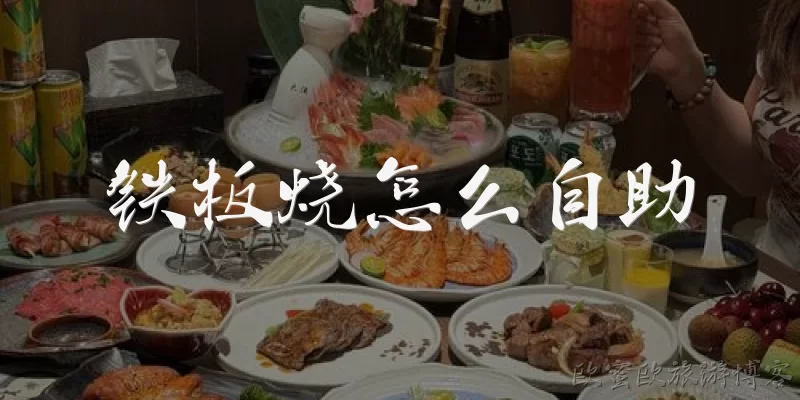
【Chef】 Teppanyaki buffet is a style of dining where you get unlimited servings of teppanyaki dishes. A chef cooks the food on a large iron griddle in front of you, and you can order as much as you like from a menu.
【Customer】 That sounds fun! What kind of dishes are typically offered?
【Chef】 Common items include beef, chicken, shrimp, scallops, vegetables, fried rice, and sometimes noodles. There are also sauces like soy sauce, garlic butter, and teriyaki.
【Customer】 Is it all-you-can-eat for a fixed price?
【Chef】 Yes, usually it's a set price per person, and you can keep ordering until you're full. Some places have time limits, like 90 minutes.
【Customer】 Do I need to make a reservation?
【Chef】 It's highly recommended, especially on weekends. Teppanyaki buffets can get busy, and seating is often around the grill, so space is limited.
【Customer】 What should I expect during the meal?
【Chef】 You'll be seated at a counter or table facing the grill. The chef will take your orders and cook in batches. You can watch the cooking and interact with the chef.
【Customer】 Can I request specific ingredients or cooking styles?
【Chef】 Absolutely. You can ask for your meat to be cooked rare, medium, or well-done, and request extra garlic, butter, or spice. The chef will accommodate if possible.
【Customer】 Are there any tips for getting the most out of the buffet?
【Chef】 Start with lighter items like vegetables and seafood, then move to heavier meats. Pace yourself and avoid filling up on rice or noodles. Also, try a variety of sauces.
【Customer】 What about drinks? Are they included?
【Chef】 Often drinks are extra, but some buffets include soft drinks. You can usually order beer, sake, or wine for an additional cost.
【Customer】 Is there a dress code?
【Chef】 Most teppanyaki buffets are casual, but some upscale places might have a smart casual dress code. It's best to check when you make a reservation.
【Customer】 Great! I think I'm ready to try it. Thanks for the info!
【Chef】 You're welcome! Enjoy your teppanyaki buffet experience. Don't forget to ask for extra garlic butter—it's a game changer!