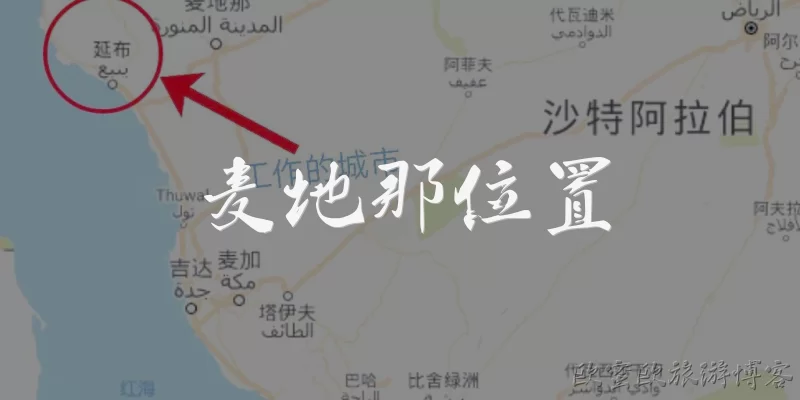
Medina location:What is the significance of Medina's location in Saudi Arabia?
Q: What is the significance of Medina's location in Saudi Arabia?
A: Medina is located in the Hejaz region of western Saudi Arabia, approximately 100 miles inland from the Red Sea coast. This location is significant because it was the destination of the Prophet Muhammad's migration (Hijra) from Mecca in 622 CE, marking the beginning of the Islamic calendar. The city sits on a fertile oasis surrounded by volcanic mountains, which provided natural defense and water resources for early Muslim communities. Its strategic position along trade routes between Syria and Yemen made it a vital commercial hub even before Islam. Today, Medina's location remains central to Islamic pilgrimage, as it hosts Al-Masjid an-Nabawi (the Prophet's Mosque), the second holiest site in Islam. Millions of Muslims visit annually, and the city's geography continues to shape its role as a spiritual and cultural center in the region.
Q: How does Medina's location affect its climate and agriculture?
A: Medina is situated in an arid desert region of western Saudi Arabia, at an elevation of about 620 meters (2,034 feet) above sea level. This location gives the city a hot desert climate with extremely high summer temperatures, often exceeding 40°C (104°F), and mild winters. Despite the dryness, Medina lies in a fertile oasis area where groundwater and seasonal rains support date palm cultivation, particularly the famous Ajwa dates. The surrounding volcanic basalt fields, known as harrah, influence soil composition but also act as natural aquifers. Agriculture is limited to irrigated areas, with dates, citrus, and some vegetables grown. The city's inland location means it lacks the humidity of coastal cities like Jeddah, making summers more tolerable at night. Overall, Medina's geography dictates a harsh but livable environment sustained by careful water management.
Q: Why is Medina's location important for Islamic history?
A: Medina's location in the Hejaz region of western Arabia was crucial for early Islamic history. In 622 CE, the Prophet Muhammad and his followers migrated from Mecca to Medina, a journey known as the Hijra, which marks the start of the Islamic calendar. The city, then called Yathrib, offered a safe haven due to its isolated oasis setting surrounded by volcanic rocks, making it defensible against Meccan attacks. Its location also placed it at a crossroads of trade routes, allowing the Muslim community to engage in commerce and diplomacy. The Constitution of Medina was drafted there, establishing a multi-religious society. From this base, Islam expanded across Arabia. The city's geographical separation from Mecca helped early Muslims establish political and military independence. Today, Medina's location remains a pilgrimage destination, second only to Mecca, deeply tied to the faith's origins.
Q: What are the geographical features of Medina's location?
A: Medina is located in the Hejaz region of western Saudi Arabia, about 160 kilometers (100 miles) inland from the Red Sea. The city lies on a flat, fertile plain surrounded by volcanic mountains, particularly the Uhud and Ayr ranges. These basalt lava fields, called harrah, cover much of the area and provide natural fortification. The elevation is roughly 620 meters (2,034 feet), moderating the desert heat slightly. Medina's oasis is fed by underground aquifers and seasonal wadis, allowing date palm groves and agriculture. The climate is arid, with very hot summers and mild winters. The city is connected by highways to Mecca, Jeddah, and other regions. Its location between the holy cities of Mecca and Jerusalem historically made it a spiritual and commercial crossroads. Today, the geography continues to influence urban expansion, with development constrained by the surrounding volcanic terrain.
Words of experience
Common scenarios of "Medina location"
【Tourist】 Hi, I'm planning a trip to Medina. Can you tell me where it is exactly?
【Local Guide】 Of course! Medina is a city in western Saudi Arabia, in the Hejaz region. It's about 340 kilometers north of Mecca.
【Tourist】 Is it easy to get there from Jeddah?
【Local Guide】 Yes, you can fly from Jeddah to Prince Mohammad bin Abdulaziz Airport in about an hour, or drive in around 4-5 hours.
【Tourist】 What's the significance of Medina in Islam?
【Local Guide】 Medina is the second holiest city in Islam after Mecca. It's where the Prophet Muhammad migrated to and where the first Islamic state was established.
【Tourist】 I've heard about the Prophet's Mosque. Is that in Medina?
【Local Guide】 Yes, Al-Masjid an-Nabawi, the Prophet's Mosque, is located in the heart of Medina. It's one of the largest mosques in the world.
【Tourist】 Can non-Muslims visit Medina?
【Local Guide】 Non-Muslims are not allowed to enter the holy city of Medina, similar to Mecca. However, they can visit other parts of Saudi Arabia.
【Tourist】 Oh, I didn't know that. So I need to be Muslim to visit?
【Local Guide】 Yes, only Muslims are permitted to enter Medina. There are checkpoints on the roads leading into the city.
【Tourist】 What are some must-see places in Medina for Muslims?
【Local Guide】 Besides the Prophet's Mosque, you can visit Quba Mosque, the first mosque built in Islam, and the Uhud Mountain, where a historic battle took place.
【Tourist】 What's the best time to visit Medina?
【Local Guide】 The winter months from November to February are pleasant, with temperatures around 20-25°C. Summers are extremely hot, often exceeding 40°C.
【Tourist】 Is there accommodation near the Prophet's Mosque?
【Local Guide】 Yes, there are many hotels and serviced apartments within walking distance, especially around the central area known as the Haram.
【Tourist】 How do I get around the city?
【Local Guide】 Taxis and ride-hailing apps like Uber and Careem are common. There's also a bus system, but many places are walkable if you stay near the mosque.